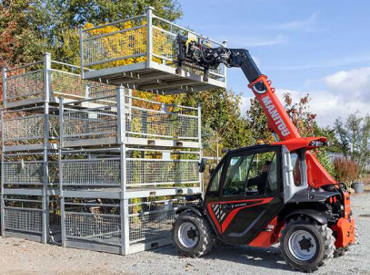
Pb Platforms S160-13EL
 Show more photos


Info about the machine
- Specifications
- More specifications
- Downloads
Working height (mm)
15,800
Platform height (mm)
13,800
Lifting capacity (kg)
320
Power source
Electric
Platform length (mm)
2,640
Platform extension (mm)
900
Weight (kg)
3,500

This electric aerial platform supports work at height in restricted areas
This electric aerial platform is built for lifting personnel and tools to demanding working heights. The platform height is 13,800 mm, which supports service and installation tasks above ground level. Its electric drive suits sites where low noise and local emissions matter during daily operation.
The machine measures 2,800 mm in length and 1,270 mm in width. The construction height is 2,740 mm. These dimensions are relevant when access routes, door openings, and storage areas must be assessed before transport and use.
The lifting capacity supports personnel and equipment in one platform setup
The lifting capacity is 320 kg. This gives room for operators, hand tools, and selected materials in one working cycle. For companies planning repetitive access work, this capacity supports stable task planning and fewer interruptions during positioning.
The platform width is 1,270 mm. This provides a useful working area for tasks that require movement inside the platform. It also supports jobs where tools and components must remain close to the operator throughout the work process.
The stabilizer system supports controlled setup on site
The undercarriage uses four stabilizers with automatic leveling. This setup is relevant where the machine must be placed accurately before lifting begins. Automatic leveling also provides a clear operating basis when the machine is moved between several work areas during one shift.
For service companies and contractors, setup time affects daily productivity. A stabilizer based platform is therefore relevant when repeated lifting tasks require consistent positioning. The machine is suited to planned work where the lifting area is defined before operation starts.
The wheel and steering configuration supports careful movement on finished surfaces
The machine uses two wheel steering. This is relevant for controlled movement in areas where travel paths are fixed and space must be considered. Steering layout matters when the machine is repositioned between lifts inside buildings or on prepared surfaces.
Both front and rear wheels are non marking. This is useful on floors where surface condition matters after the task is completed. For maintenance, fit out, and technical installation work, wheel type is often a practical part of machine selection.
The electric power system supports regular indoor and site based lifting tasks
The machine is powered by electricity and uses a 48 V battery system with 300 Ah capacity. This gives buyers clear information about the installed power source. Battery based operation is relevant for workplaces that plan charging as part of routine machine use.
There is also 230 V power to the platform. This supports tasks where small electric tools or service equipment must be used at height. Power in the platform reduces the need for separate cable handling from ground level during certain assignments.
The machine provides clear data for fleet planning and task matching
The total weight is 3,500 kg. Weight is relevant for transport planning, floor load assessment, and site logistics. Combined with the stated dimensions, it gives a factual basis for comparing this platform with other access machines in a mixed fleet.
This Pb Platforms model is relevant for companies handling installation, inspection, maintenance, and technical service work. The stated platform height, capacity, width, stabilizer system, and electric configuration describe a machine intended for precise lifting tasks where space, surface condition, and controlled setup all matter.